
Hot Foil vs Spot UV — Which Finish Is Right for Your Brand?
Not sure which premium finish to choose? We break down the differences between hot foil stamping and spot UV coating.
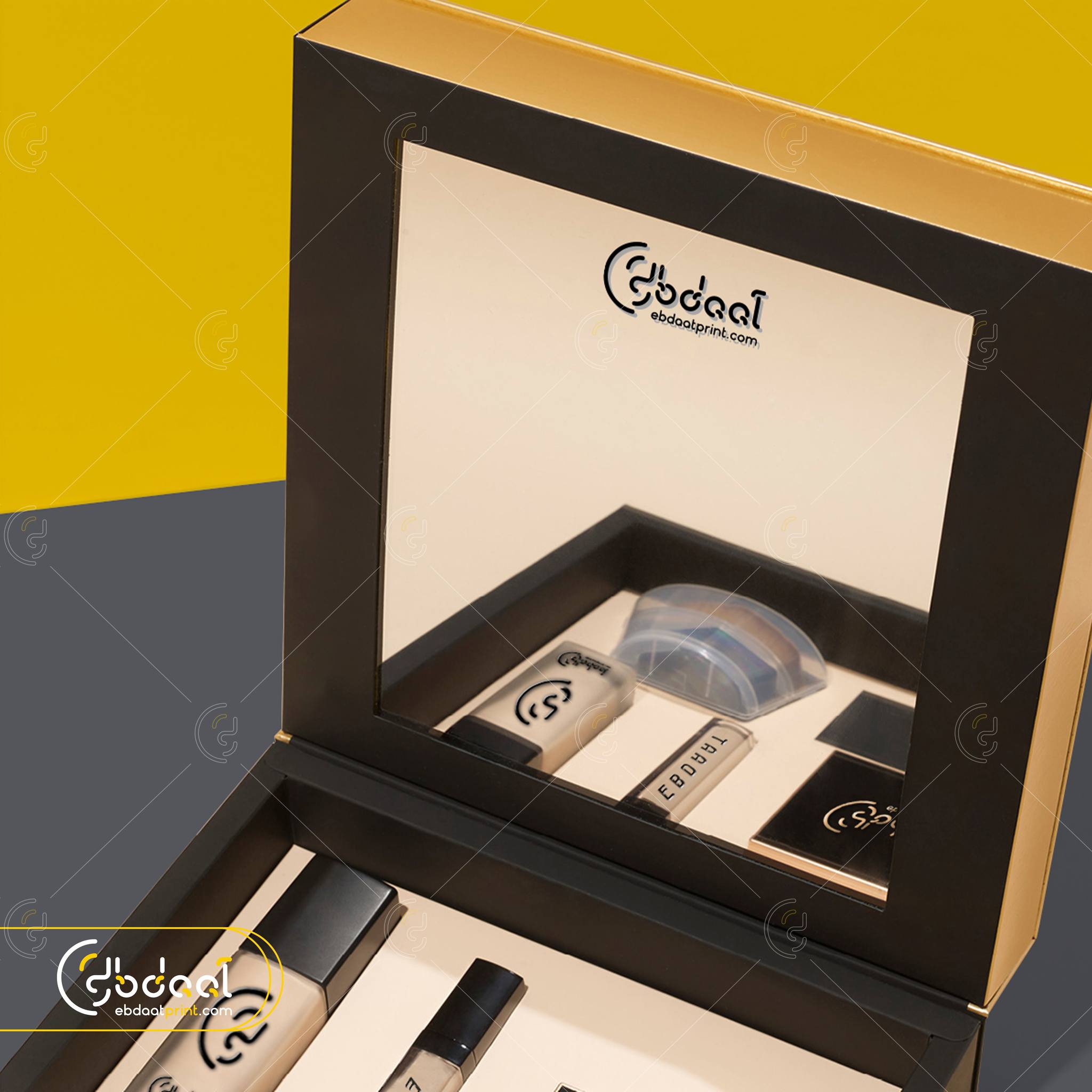
Print finishing is the difference between a box your customer remembers and a box they recycle. Two techniques dominate the premium packaging conversation: hot foil stamping and spot UV coating. They look different, cost different, and signal different things about your brand. Here's how to decide between them — or whether you actually want both.
What is hot foil stamping?
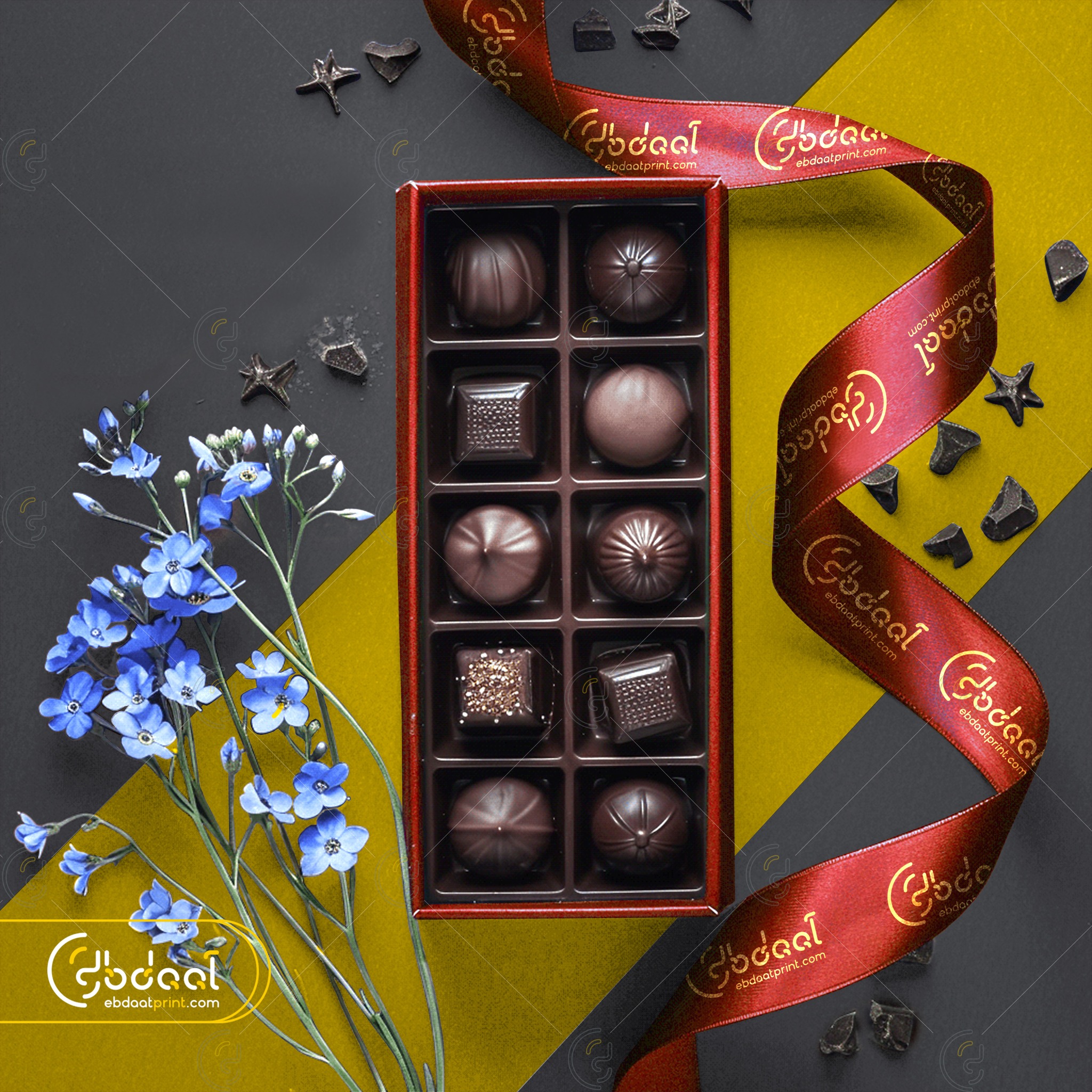
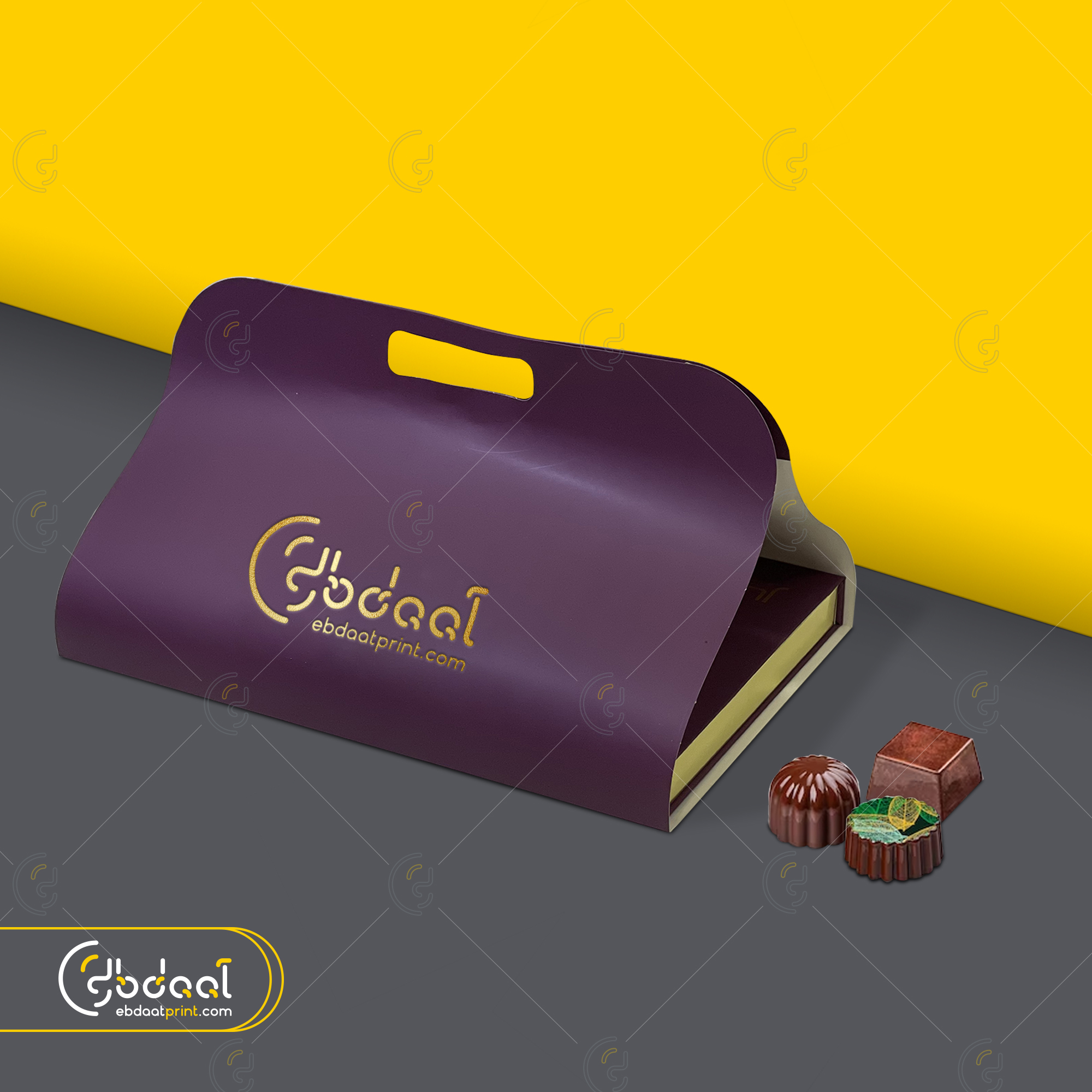
Hot foil is a metallic transfer process. A heated metal die presses a thin foil film against the paper, bonding the metal to the stock. The result is a true reflective surface — gold, silver, rose gold, copper, holographic — that catches and bounces light. It's the technique used on luxury liquor labels, jewellery boxes, and premium chocolate sleeves.
- How it works: Custom magnesium or copper die, heated to 100–130°C, presses foil onto stock under several tons of pressure.
- Finishes available: Gold, silver, rose gold, copper, bronze, holographic. We carry pigment foils too if you need a non-metallic flat colour.
- Best for: Logos, monograms, brand wordmarks, accent typography. Anything where reflection adds value.
- Lead time impact: Adds 1–2 business days for die manufacture and the foil pass on press.
What is spot UV?
Spot UV is a clear gloss varnish applied to specific areas of a print, then cured under UV light. The varnish sits proud of the surface — you can feel the raised texture under your finger — and the contrast between the glossy spot UV and the surrounding stock creates a subtle, tactile effect.
- How it works: A clear UV-cured varnish is screen-printed (or digitally jetted) onto the artwork in selected areas only, then cured instantly under UV lamps.
- Best surface to apply on: Soft-touch matte laminated stock — the contrast between the matte body and the glossy raised UV is striking.
- Best for: Patterns, photo highlights, large logos, water-drop effects on cosmetic packaging, "invisible" branding that only appears at certain angles.
- Lead time impact: Adds about 1 business day for the varnish pass and curing.
Side-by-side comparison
| Aspect | Hot Foil | Spot UV |
|---|---|---|
| Look | Reflective, metallic | Glossy raised, transparent |
| Feel | Smooth, slightly raised | Tactile bump, grippy |
| Best on | Coated and uncoated stock | Soft-touch matte, especially |
| Brand signal | Luxury, traditional, premium | Modern, design-forward, tactile |
| Lead time | +1–2 days (die required) | +1 day |
| Cost driver | Die fee + foil area | Varnish area + setup |
How to choose — three questions to ask yourself
- Should the finish reflect light, or break light up? Foil reflects. Spot UV catches light at an angle. If your brand wants gleaming gold, foil. If it wants understated contrast, spot UV.
- Should the customer notice it before they touch it, or after? Foil shows from across the room. Spot UV reveals itself in the hand. Pick the discovery moment that matches your unboxing story.
- Is your stock coated or uncoated? Hot foil works equally well on both. Spot UV needs a smooth coated or laminated surface — it can sink into uncoated paper and lose the raised effect.
Can you combine both?
Yes — and on the right design it's stunning. A common pairing: hot foil on the brand wordmark for instant gleam, spot UV on a background pattern or product photography for tactile depth. The two techniques aren't redundant; they work in different visual registers and reward each other.
The trade-off is lead time and cost — every additional pass on press adds time, and each finish has its own setup. For short runs we'll usually recommend picking one and doing it well. For 1,000+ unit runs the per-piece cost of combining drops sharply, and the result justifies it.